
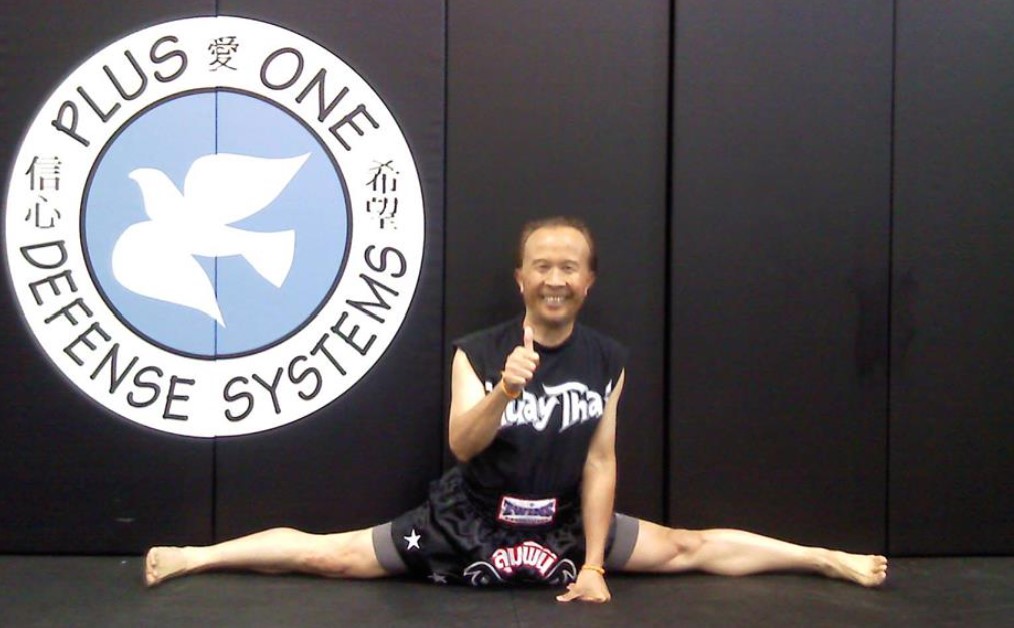
First, what is mobility training?
Simply put, it’s the type of exercise that helps you use your body to the fullest extent possible. Why is this important? Quality of life. From something as simple as being able to bend over and tie your shoes, to the more complex aspects of being able to do activities like hiking and climbing. Maybe you don’t want to climb a mountain, but everybody wants to be mobile enough to be comfortable in their own body.
So, how do you achieve more mobility? And, how do you keep it?
I’m going to skip over diet, for purposes of this writing, but it’s important to understand that diet contributes greatly to this area. Certain foods cause inflammation, and excessive eating makes you heavier, which in turn puts more stress on your joints and quite literally gets in the way of movement.
First up, passive flexibility training.
Think of this as the “old school” stretching that you might do before exercising. You might sit on the ground, with your feet straight in front of you, and stretch toward your toes. Holding that stretch for about 15 to 30 seconds. This type of stretching is not as good at increasing your mobility in the long term, but I find it quite enjoyable. (It usually gets a bad rap, in my opinion.) If you would like to passively stretch, you need to keep in mind what Bill “Superfoot” Wallace refers to as the “3 T’s.”
Temperature
You need to warm the muscles up. This doesn’t take a lot. Jumping rope for one minute is a good example of how you can get the blood flowing, wake up the joints, and get the body ready to passively stretch.
Tension
As you passively stretch, you want to put tension on the muscle. You don’t want to put so much that you strain the muscle, you just want tension.
Time
Spending about 15 to 30 seconds in each position is effective. (I’ve personally found that spending a much longer time is great. However, many professional mobility folks disagree with that. I enjoy it, find it beneficial, and it works very well for me.)
Next up, dynamic stretching.
Think of this as an isometric hold. This would be like sitting in a deep horse stance, with your legs more than shoulder width apart, and your knees bent as far as you can comfortably go. Holding this position for 30 seconds to a minute (or longer) puts a strain on the muscle as you stretch it. This strain helps the muscle work at the same time that it’s being stretched. This helps yield a gain in mobility.
Then we have active stretching.
This is currently my favorite type of mobility training. It involves a significant amount of movement while you are in as full of a position as possible. For example, with your feet about shoulder width apart, bend your knees into a full squat position, so that your butt is almost touching the ground and your feet are flat. From there, put both of your hands on the ground- palm down. Now, keep your hands flat on the ground, and your feet flat on the ground, and straighten your legs (so that you end up in a position that looks like you are bent over and touching your toes). Do this for ten repetitions to the fullest level that you comfortably can. This is an example of active stretching.
These active stretching exercises get very involved, and they build strength within a range of motion. The more you do them, the stronger the muscles and the joints become, and the more mobile you become.
Overall, mobility training is a life changer. Martial arts training by its nature works in many of these noted capacities, and that’s one of the reasons I find martial arts training to be so fantastic. The life skills obtained and the capacity to improve your life are inherent within the training. But, even if you don’t practice the martial arts, mobility training is something you can do with nothing more than a little bit of space. And, I think you’ll find that investing in this type of training will improve your quality of life.
Would you like to try a free introductory martial arts class?